
.svg)
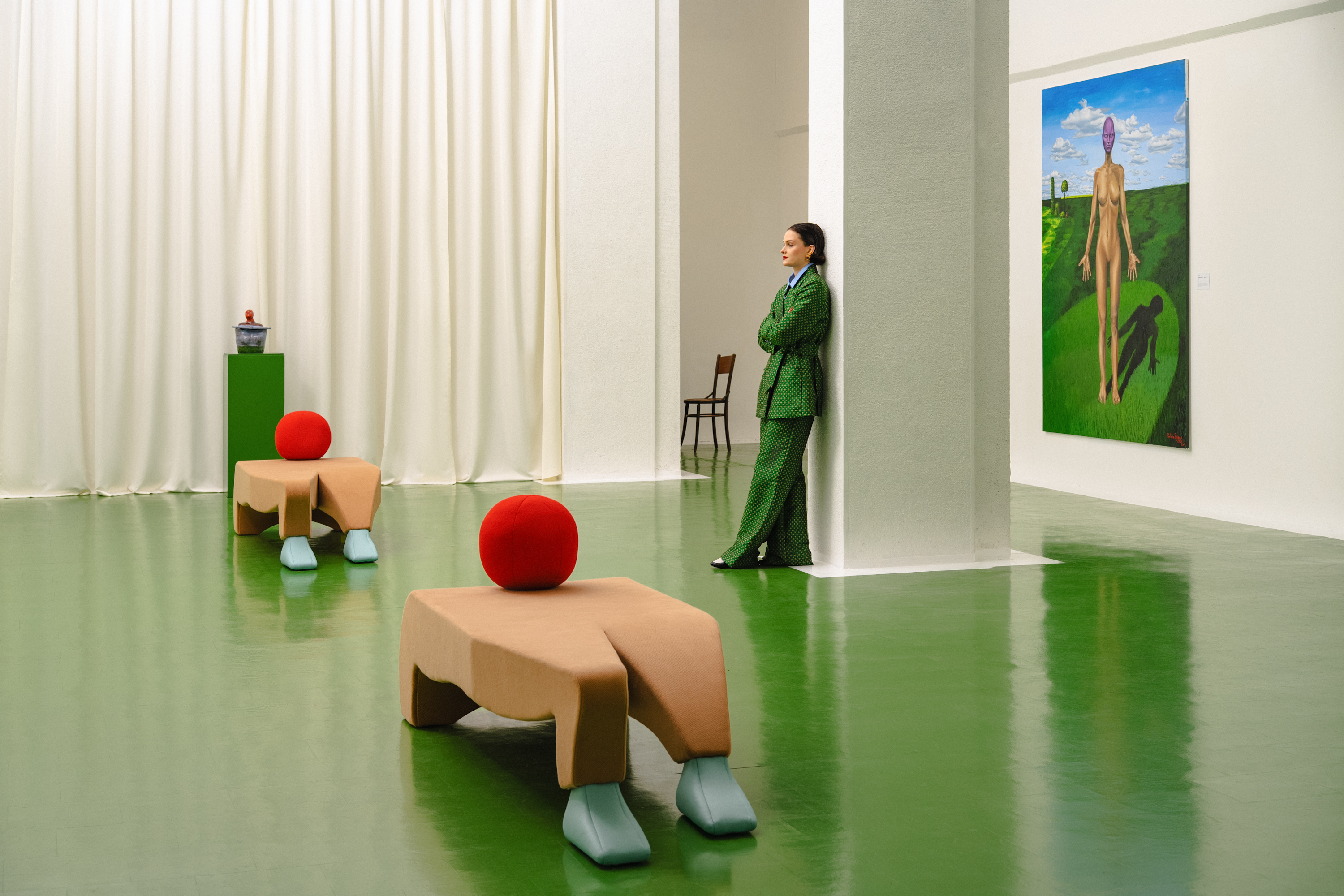
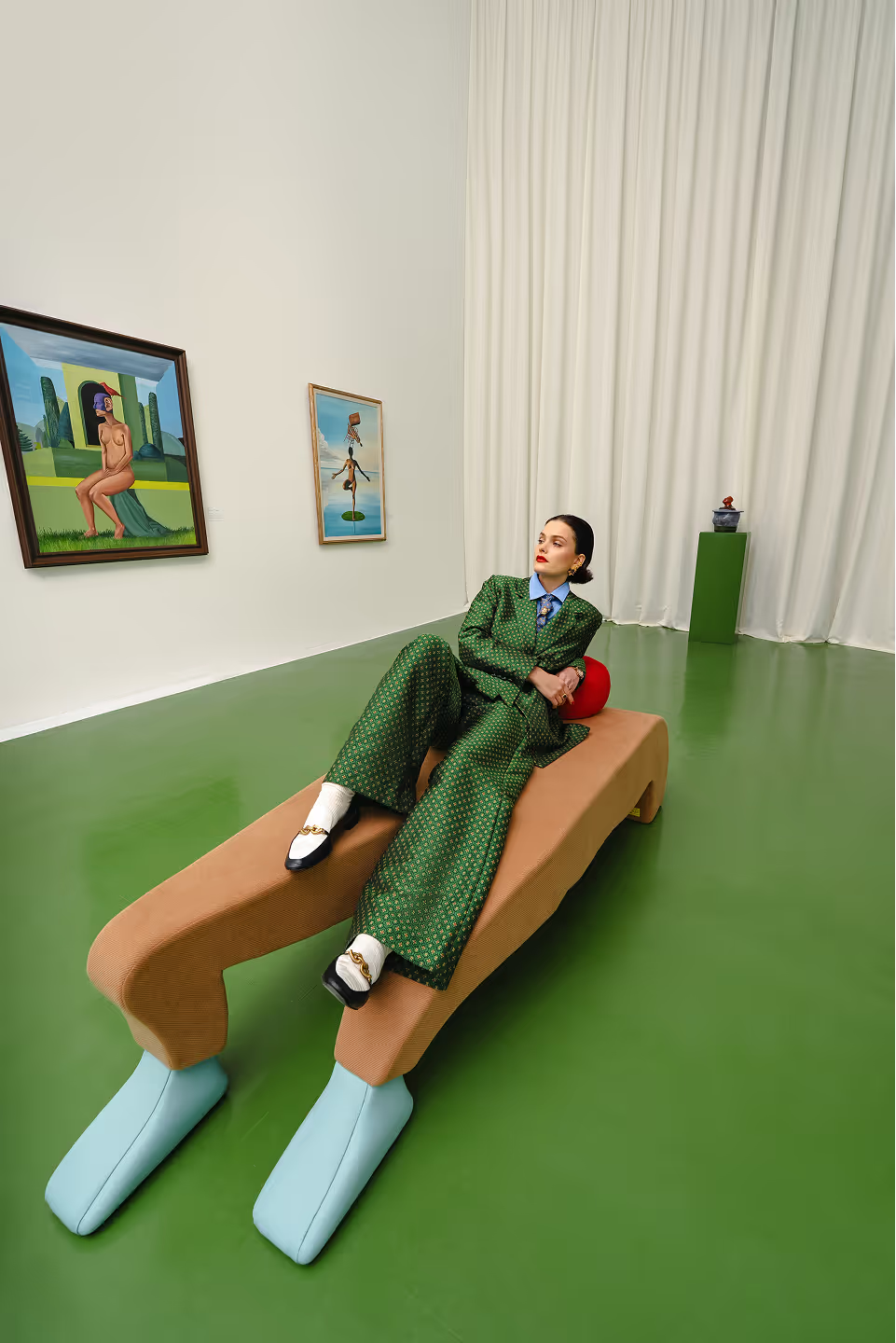
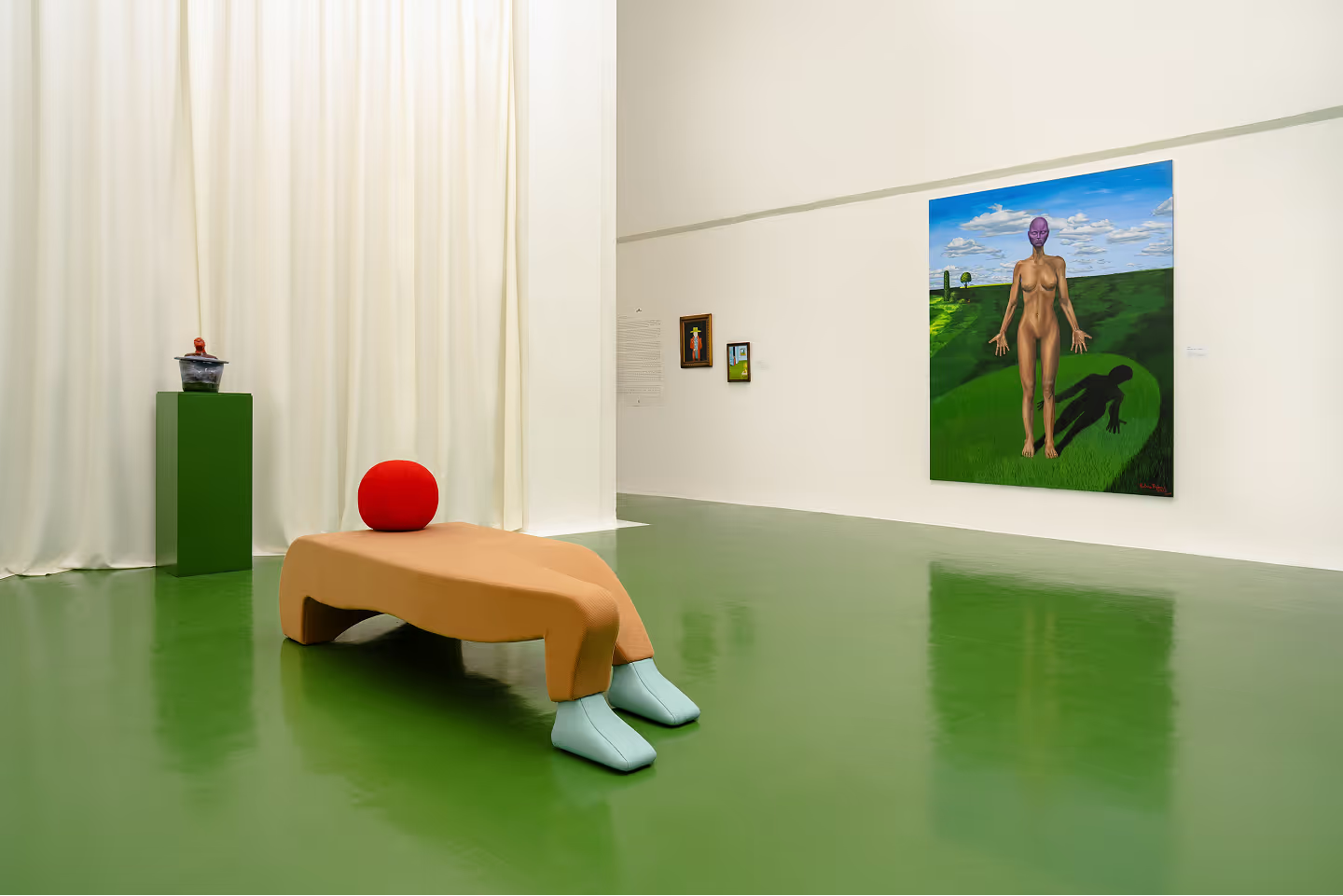
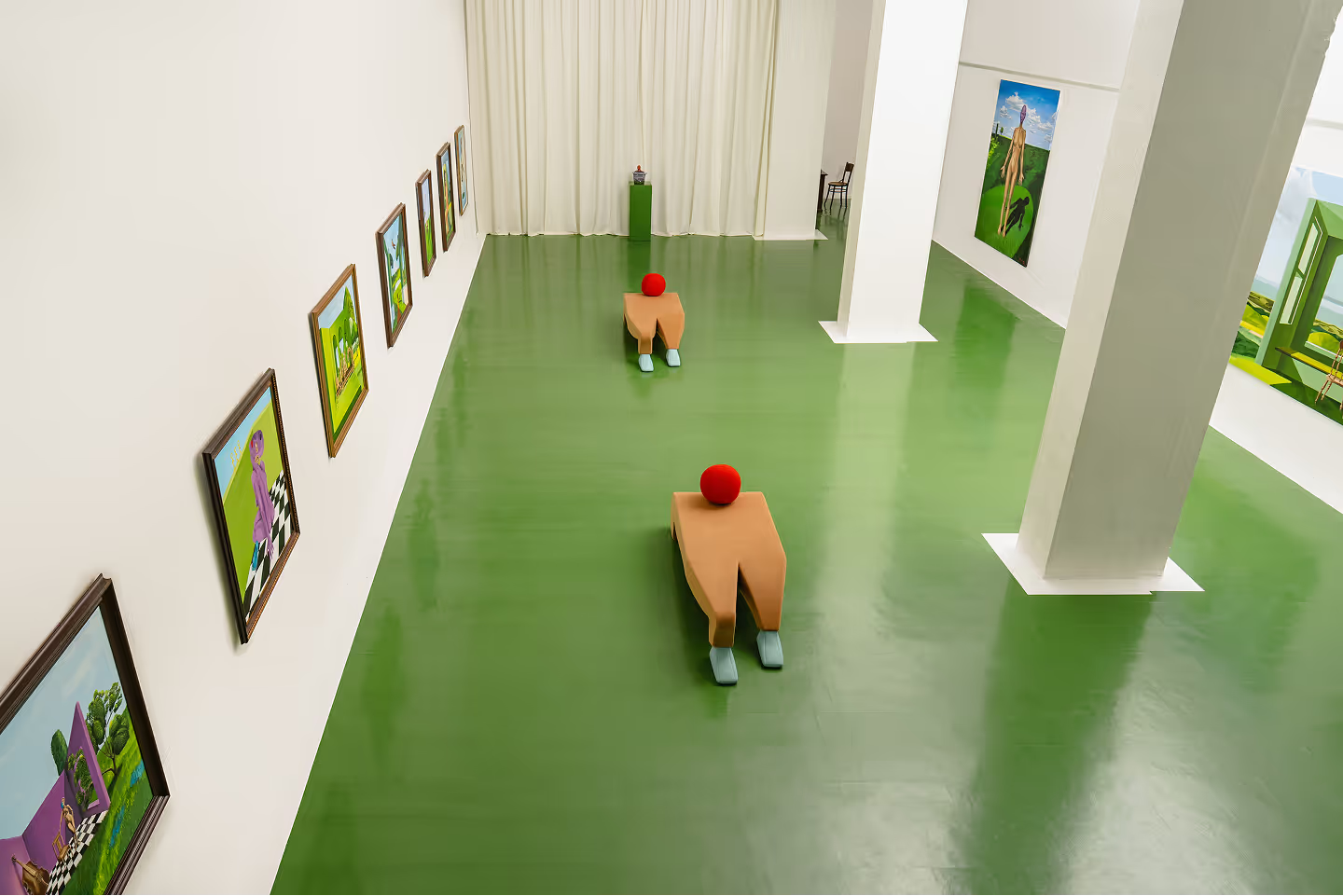
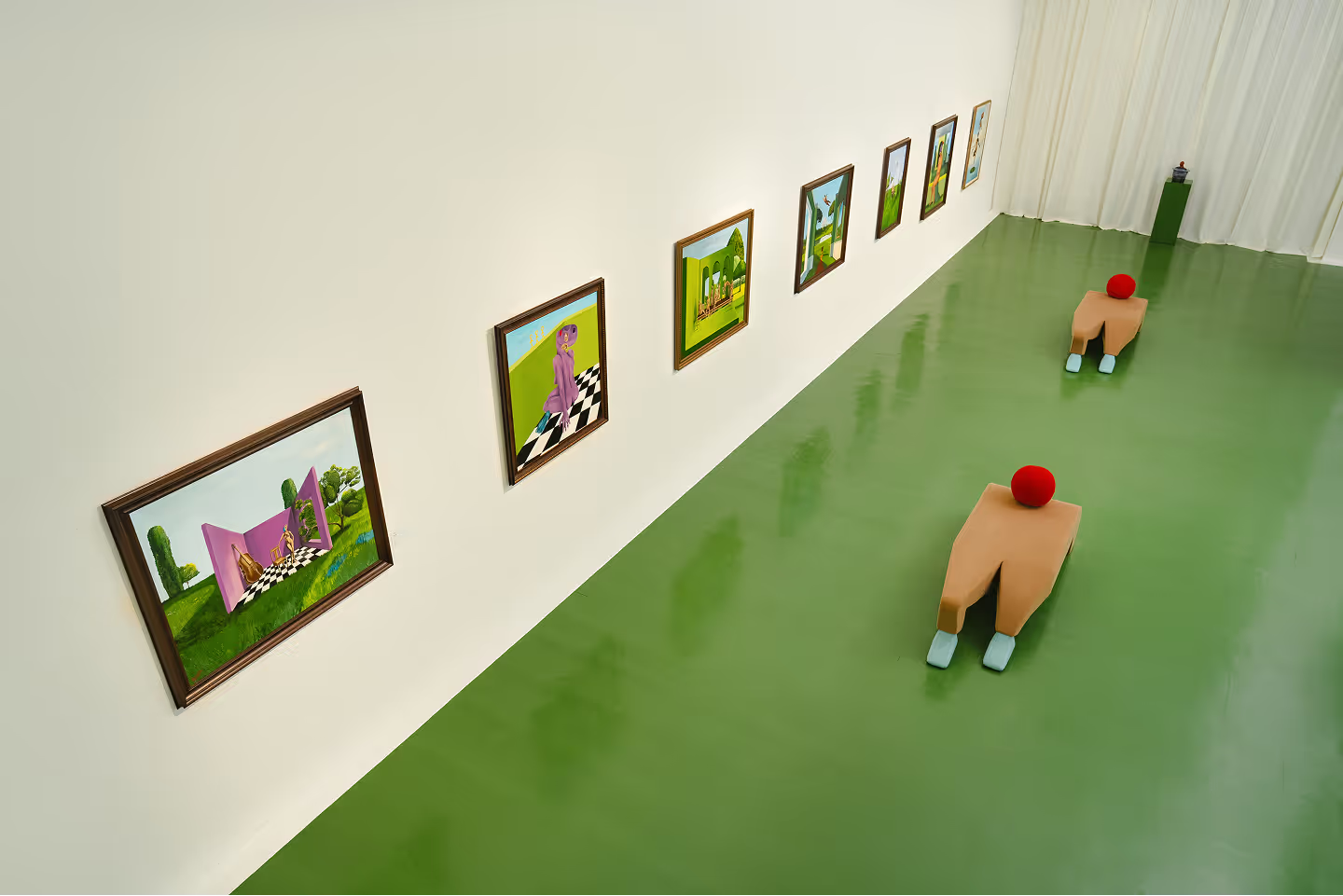
Katrina Bajoras’ exhibition “Places Beyond Time” is a conceptual journey into a surreal world of imagery, where time loses its linear meaning, and spaces transform into topologies of dreams, memory, and existence. These works stand out not only for their visual density and symbolic weight but also for their philosophical reflectiveness, inviting the viewer to reconsider the human position between reality and imagination, culture and nature, as well as the levels of individual and collective consciousness.
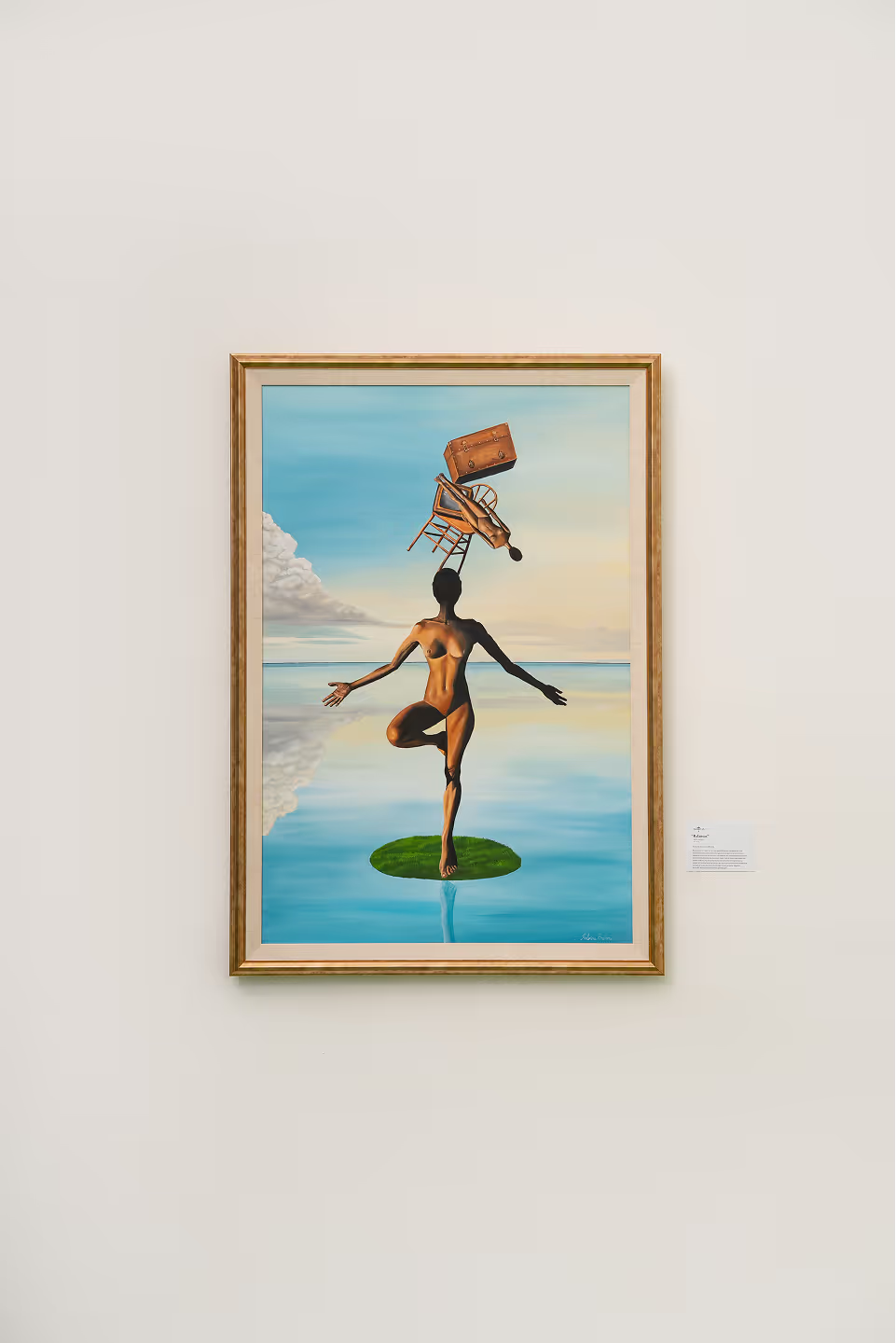
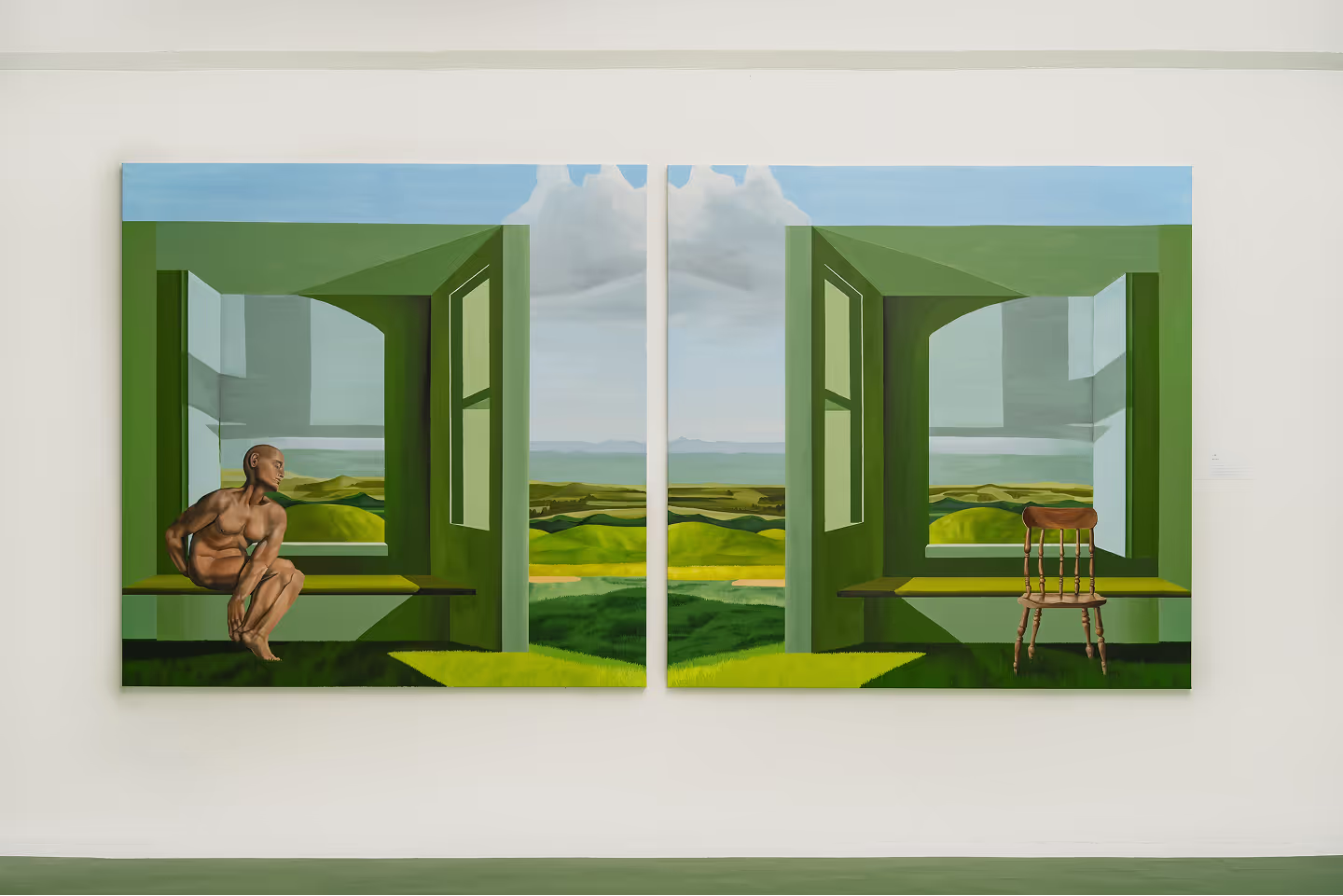
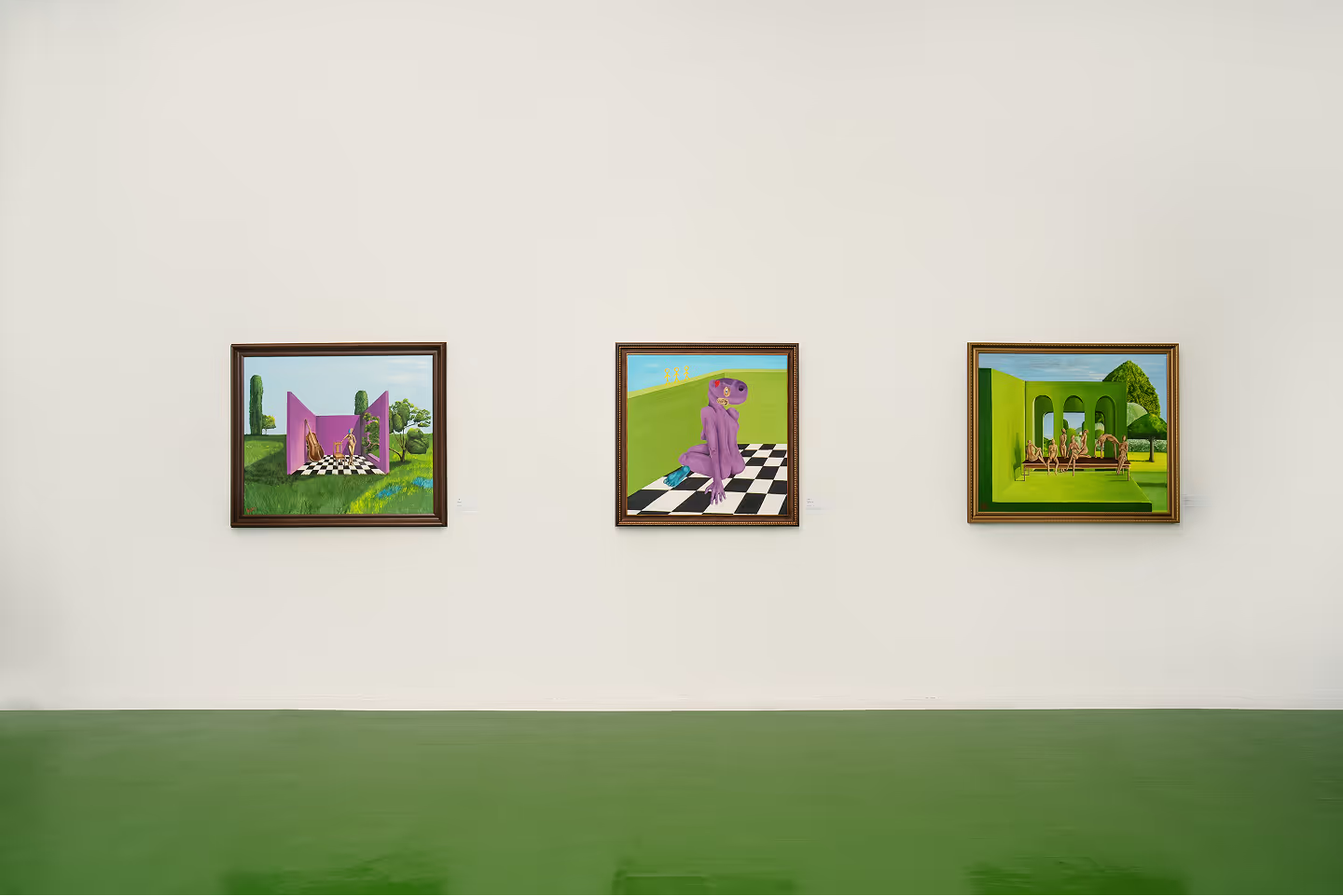
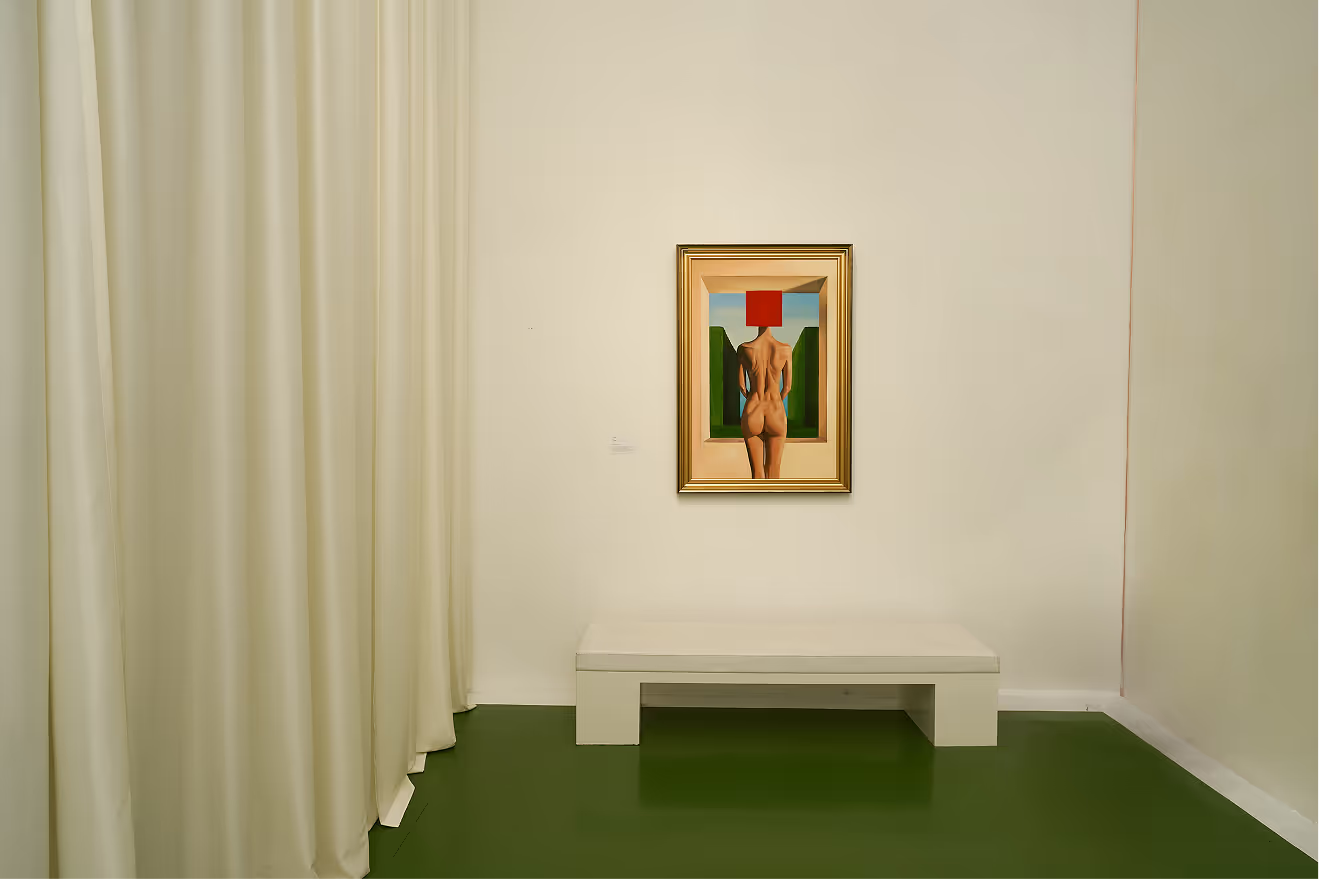
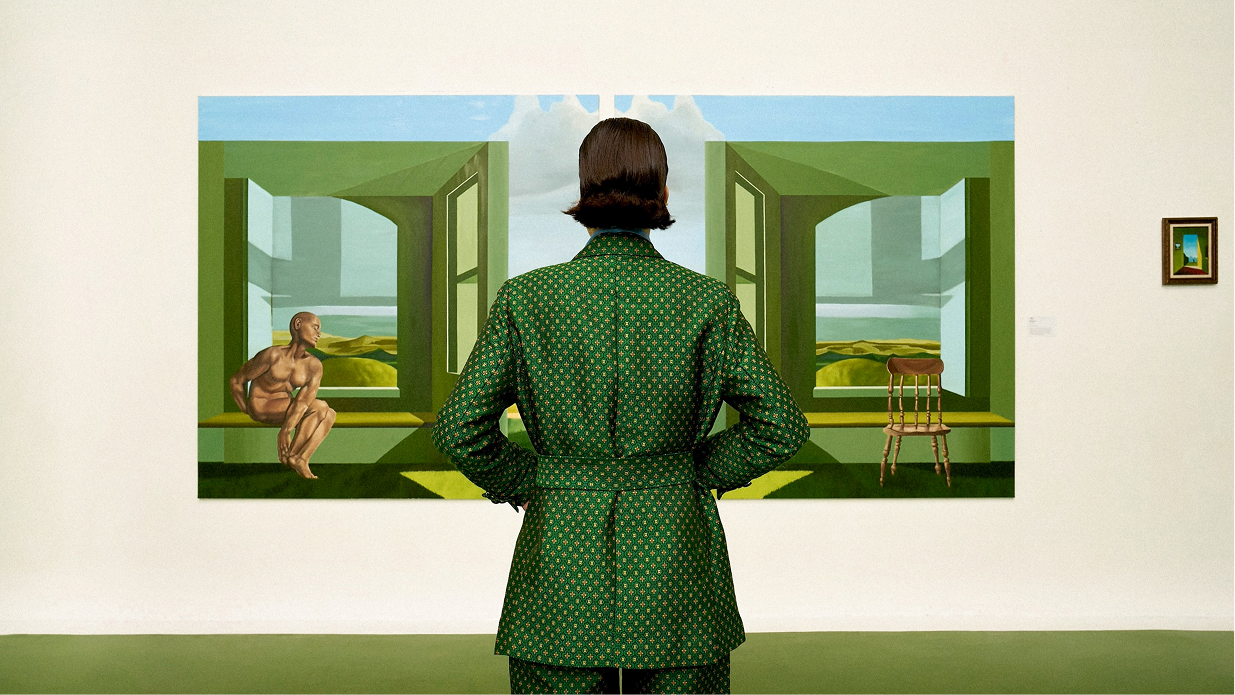
The dominant motifs on the painting surface — a wooden chair, the human figure, plant forms, an enclosed environment — are used not so much to create a narrative, but to embody ontological states. The chair here becomes not just a household object but also a witness — a silent metaphor for the intersection of traditions, stories, and time. It preserves earthly stability, yet simultaneously symbolizes vulnerability, inviting the viewer to sit, pause, and become a part of the painting. This artistic strategy is akin to Maurice Merleau-Ponty’s phenomenological approach to perception — what we see is never isolated from our body, gaze, and spatial existence. Thus, the painting becomes a realm of experience, not merely a visual space.
The human figure, often fragmented, enlarged, or coloristically highlighted, represents the multiplicity of layers of human sensation and identity. It is not an individualized portrait, but an embodiment of existential states. This mode of depiction resonates with Gilles Deleuze’s idea of the body without organs (corps sans organs) — a body that is not perceived as a biological structure but as the possibility of continuous transformation and boundary transcendence. In the artist’s paintings, the body becomes a space for sensory experience that exceeds its physical form.


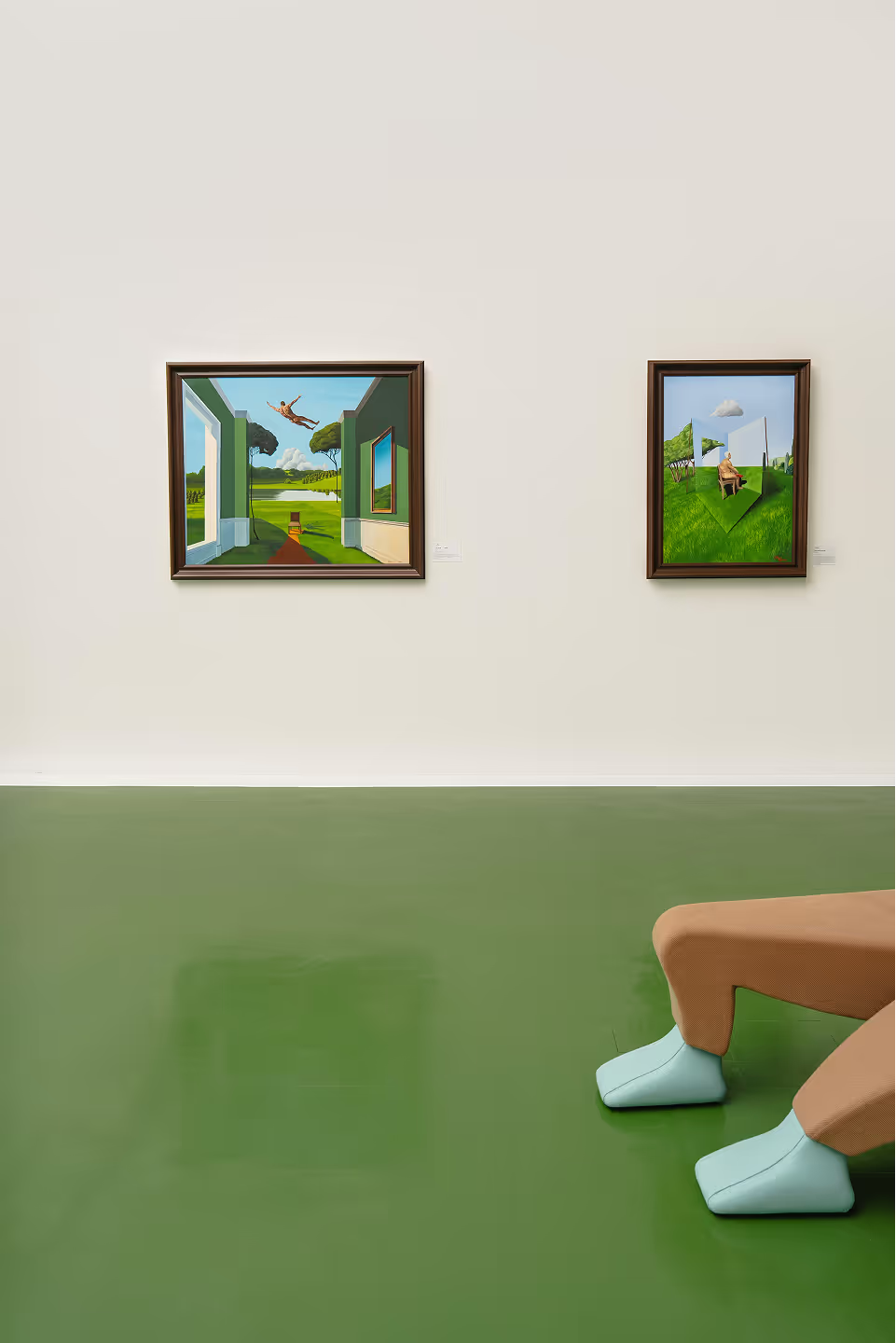
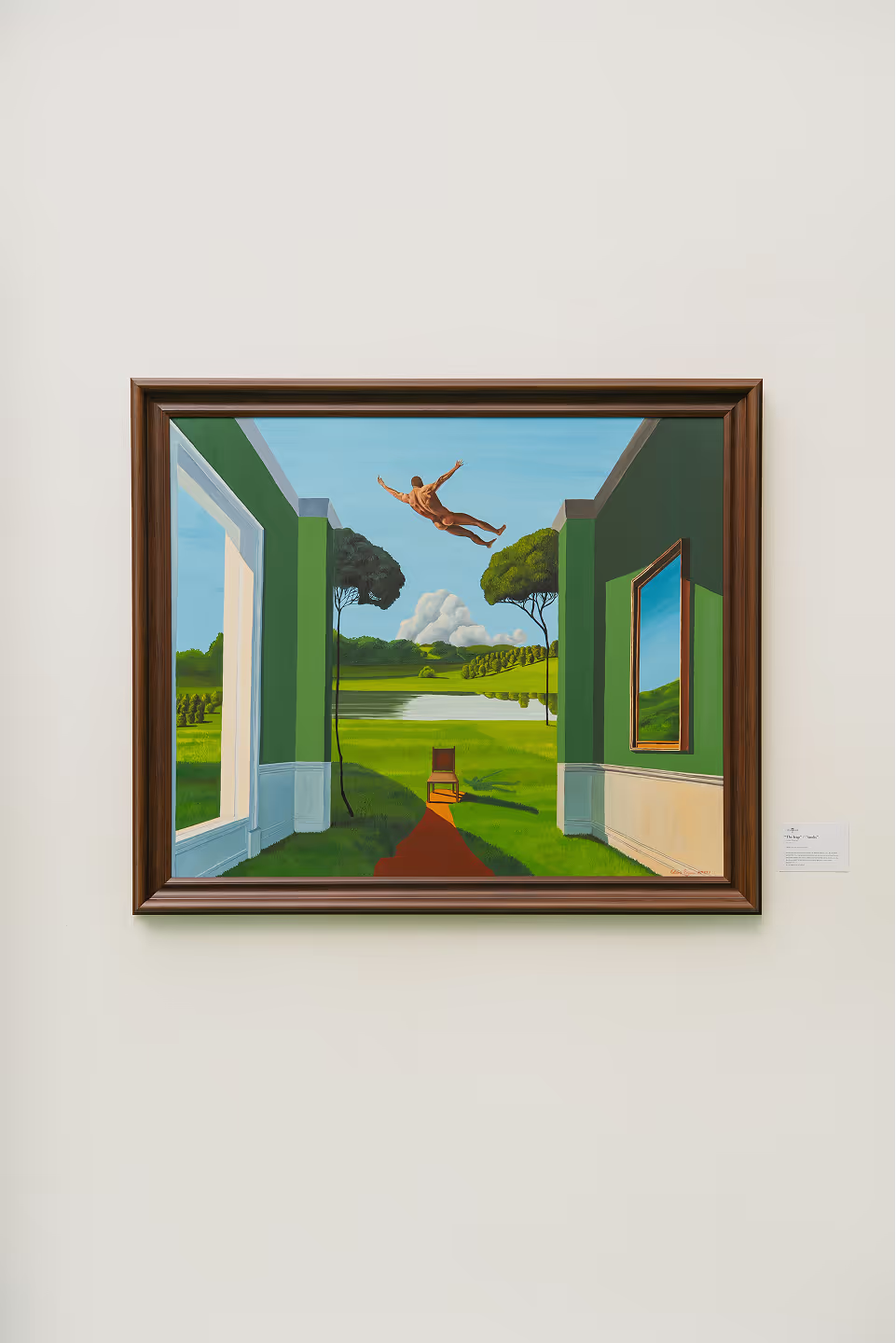
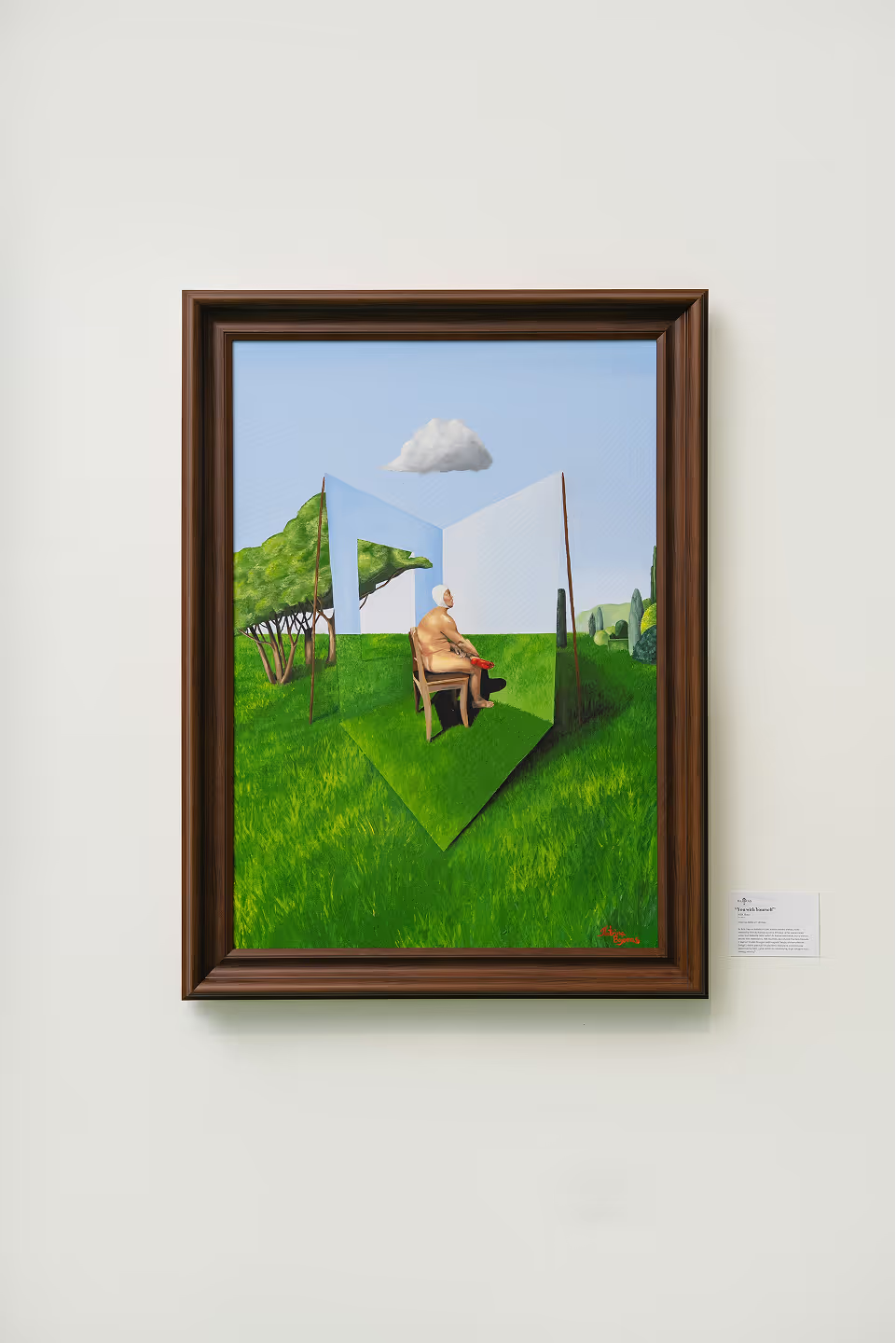
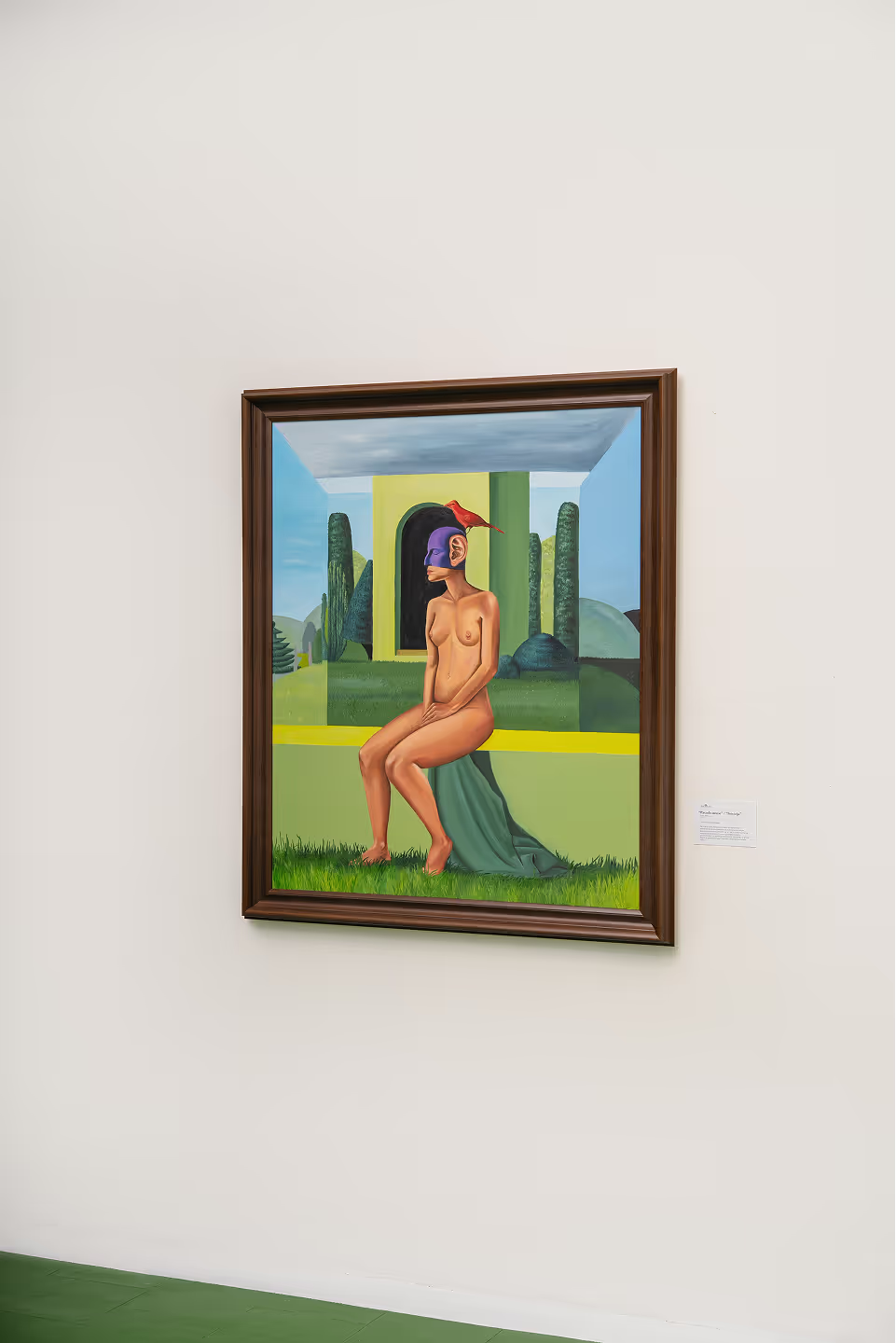
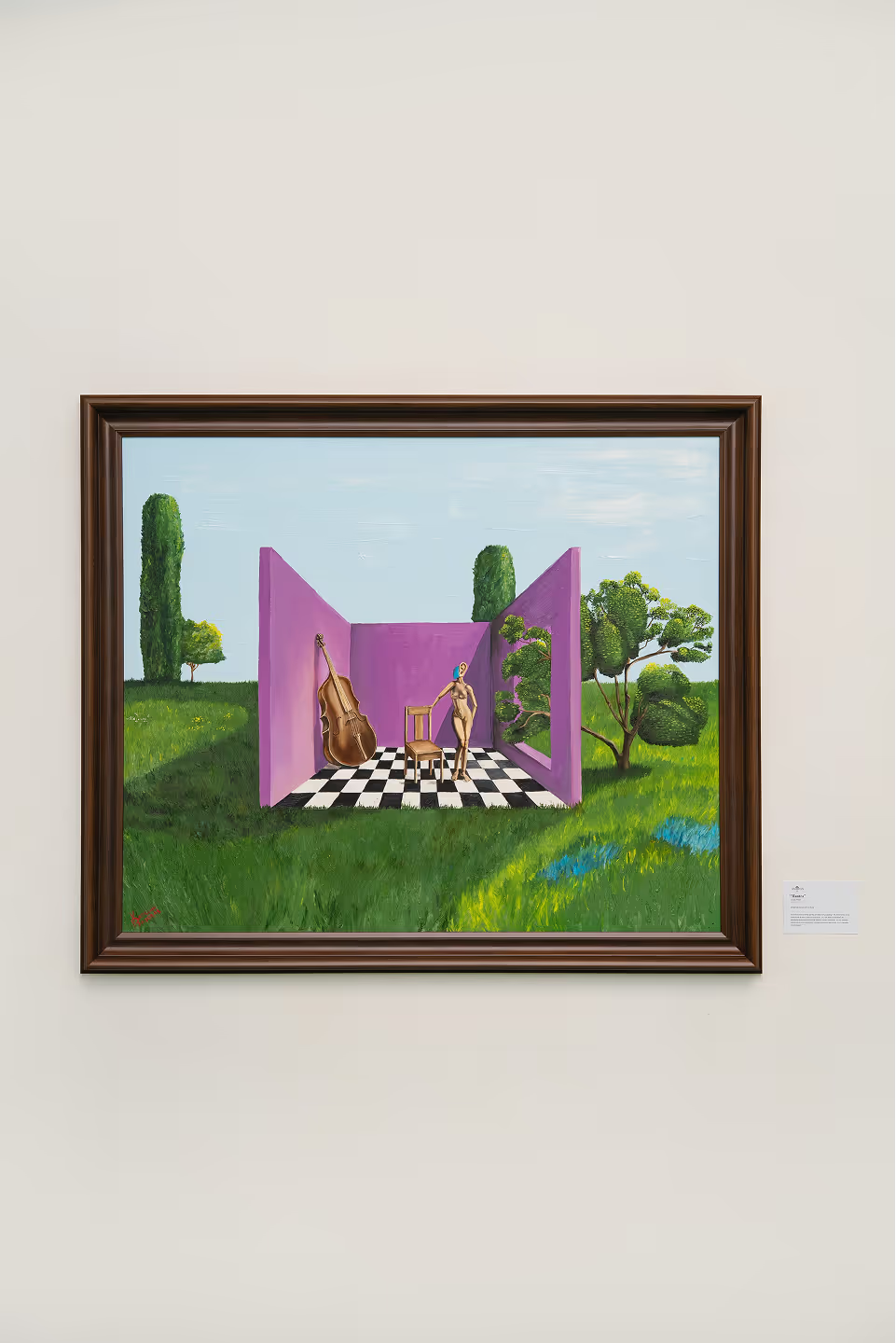
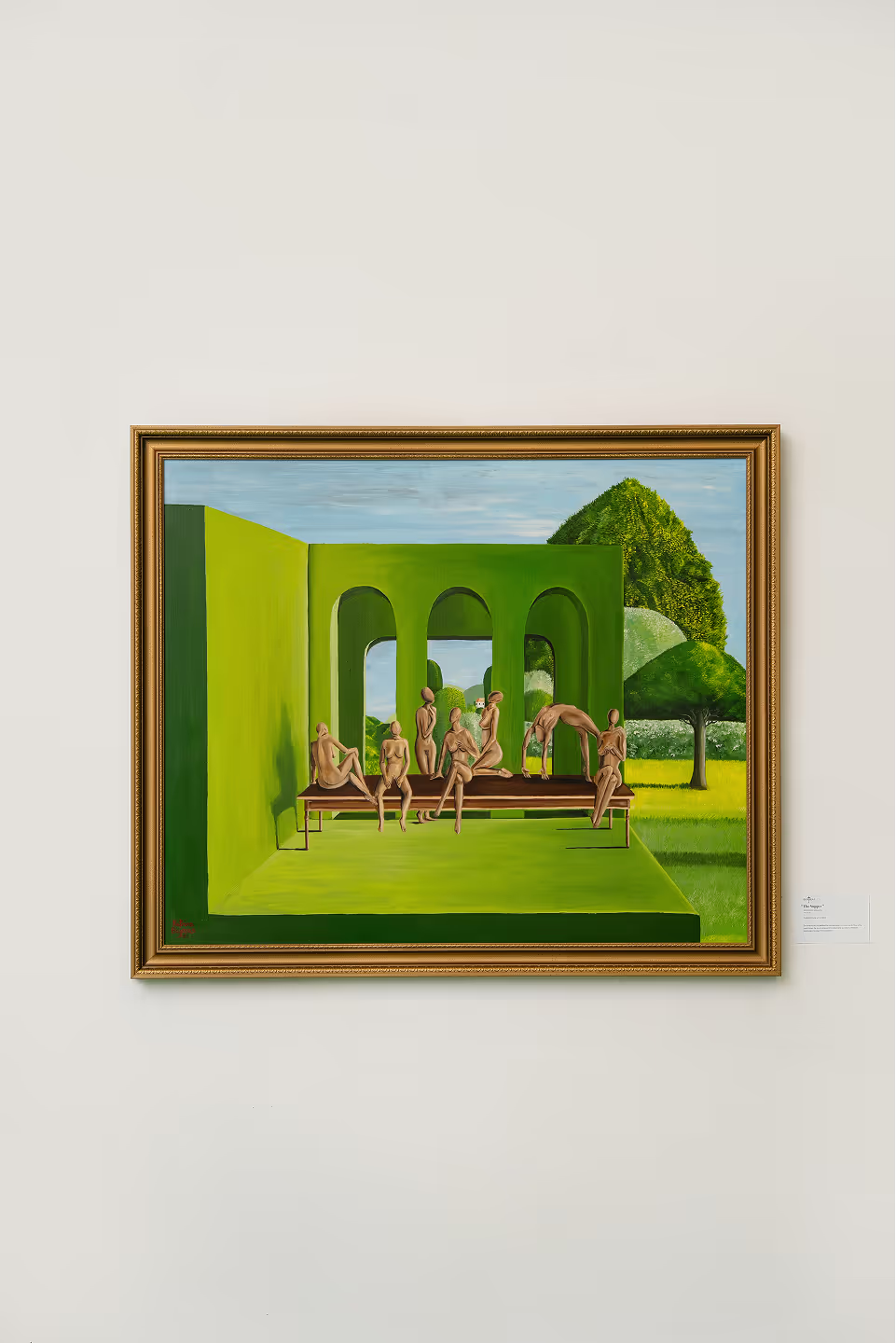
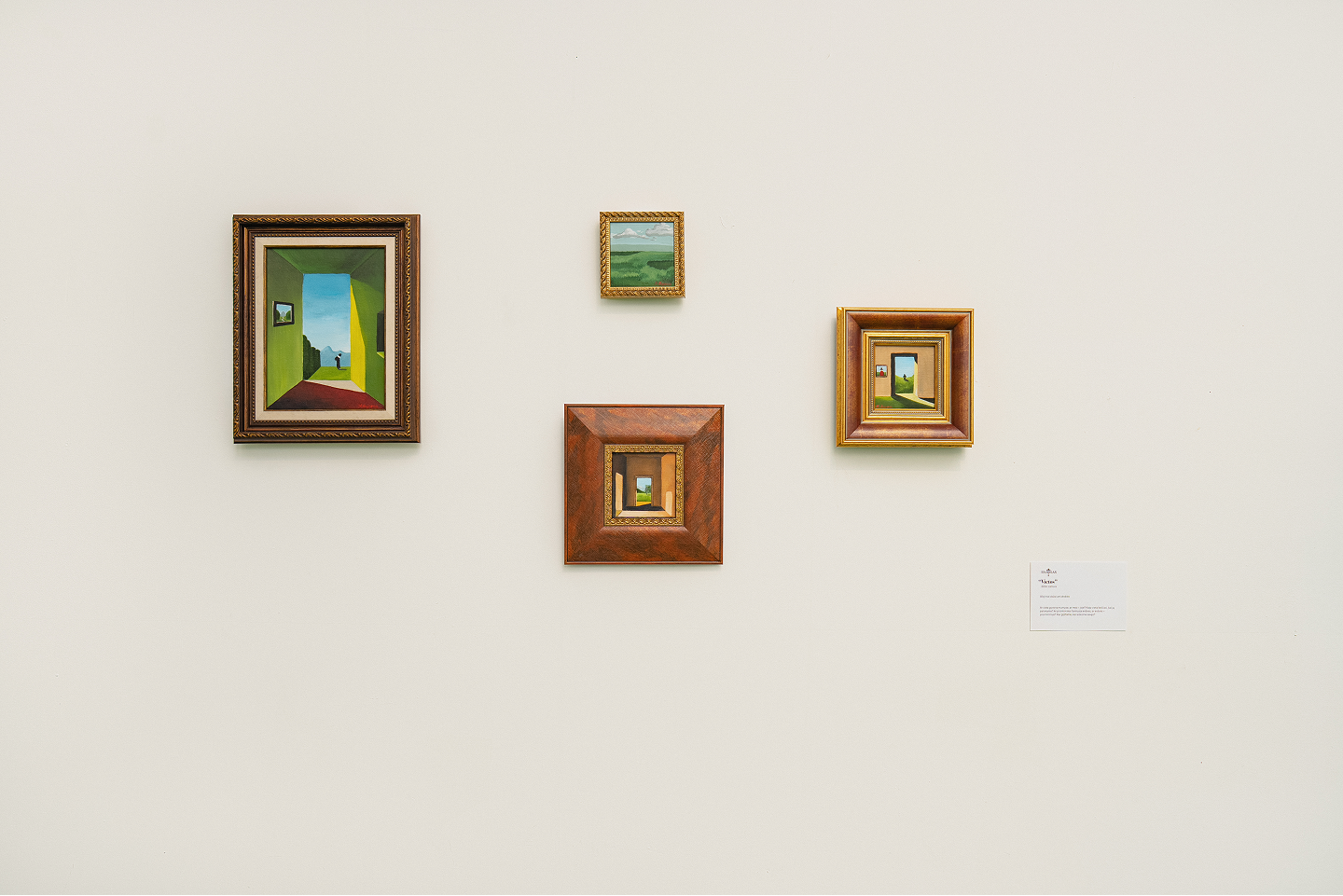
The motifs of the environment — idealized gardens, walls, archaic structures — symbolize the boundaries between the inner world of the human and the external world. These boundaries can signify both protection and isolation. However, they also reflect the inner world of the individual, incarnated through architectural imagery, evoking Gaston Bachelard’s reflections on intimate spaces. According to him, rooms, gardens, or enclosed courtyards can become metaphors for psychic spaces — not topographical but emotional places. It is within these spaces that the exhibition gives birth to the relationship between selfhood and the world.
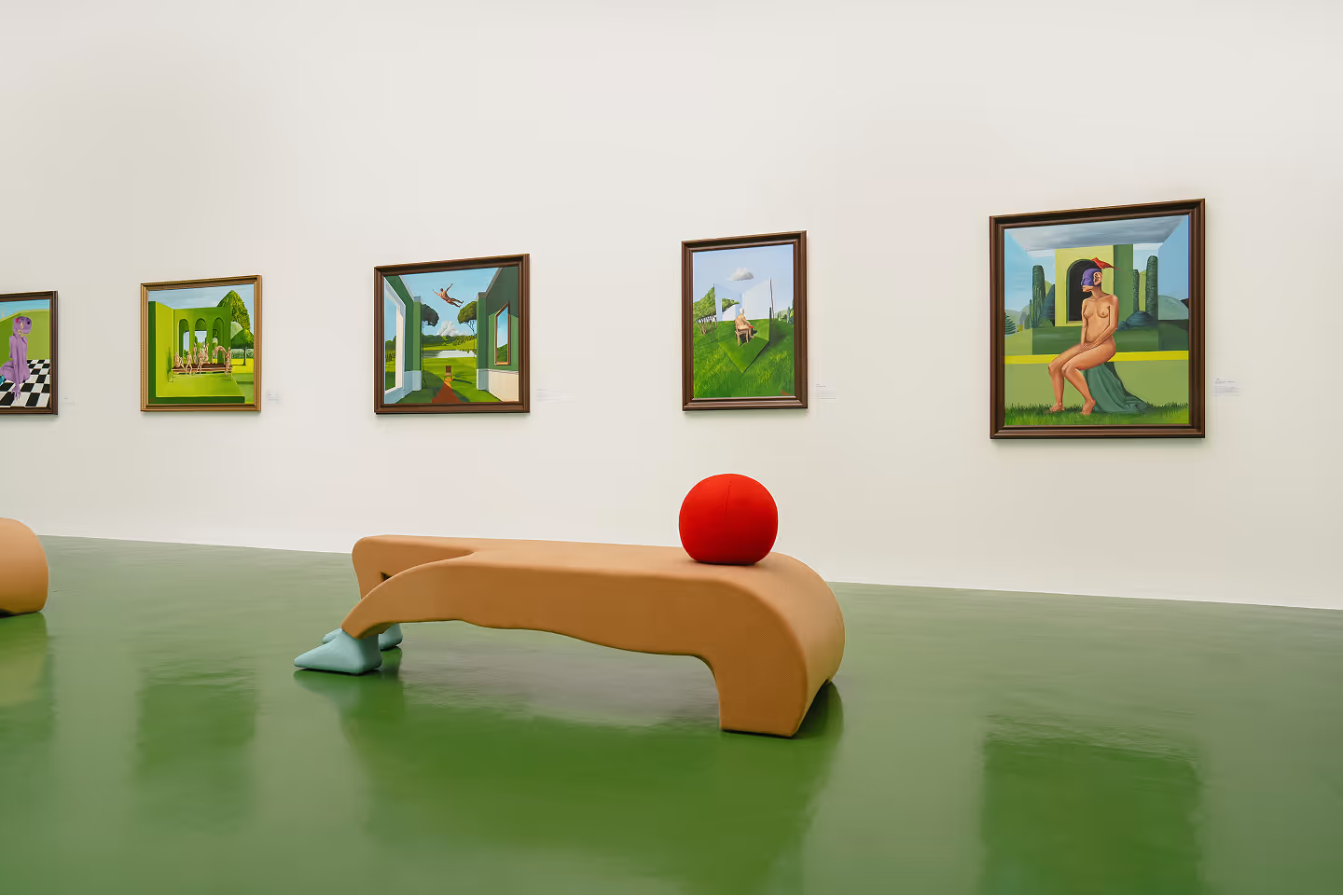
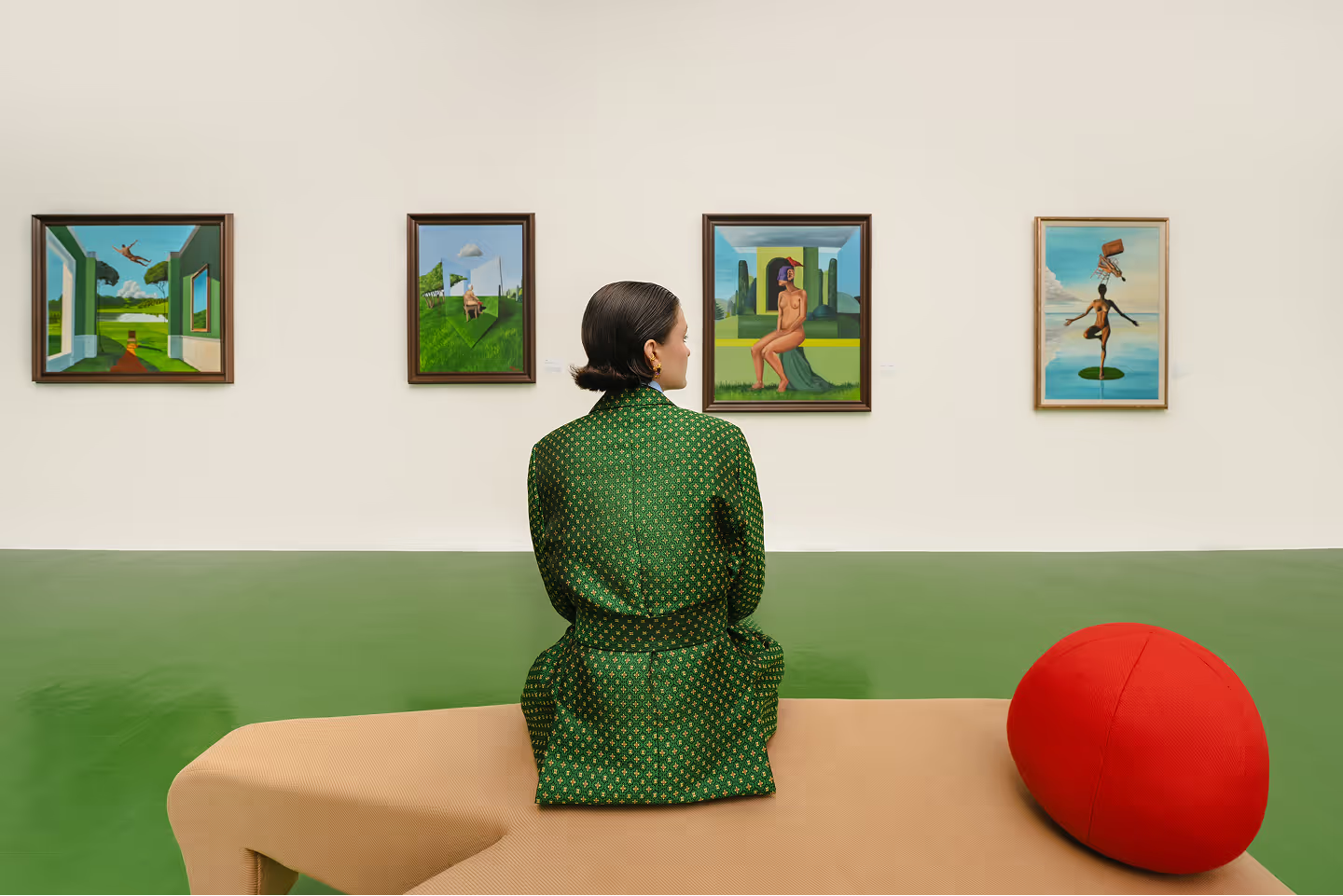
Color plays a significant role in Katrina’s work. Executed in oil on canvas, the paintings use color not merely as an aesthetic tool but as an active emotional and symbolic element. Pulsating, vivid colors work not only on the visual but also on the sensory level, creating an energetic field within the painting. The exhibition’s title, “Places Beyond Time”, conveys the artist’s essential intention — to create spaces where suspended time allows the viewer to meet themselves. It is the deconstruction of temporary structures, where there is no longer past, present, or future. Only being remains.

and
and
and
and
and
and
and
and
and
In Katrina’s works, surrealist aesthetic principles blend with postmodern sensitivity — here, one-dimensional narratives and closed meanings are abandoned. As Umberto Eco has noted, the open work allows the viewer to become not just an observer, but also a co-creator — each piece invites a personal, multilayered act of interpretation. Thus, Katrina’s paintings become visual dialogues in which the viewer participates not as a passive observer, but as an active, conscious fellow traveler.
Ultimately, “Places Beyond Time” is not just a cycle of paintings, but an existential metaphor, inviting us to a fundamental question: what is reality if it consists of fragments of memory, desires, dreams, and cultural echoes? In the exhibition, time is suspended not to capture a moment but to highlight what often slips unnoticed — the silence of being, the intensity of imagination, and the truth of the emotional landscape. Each work becomes not an illustration, but an independent ontological space where the viewer meets their own memory, imagination, and existence.
Written by Karolis Gužas, the curator of the exhibition.
Photographed by Dainius Ščiuka.



to know
each other